Forskning
Forskning har altid spillet en væsentlig rolle på Det Danske Institut i Rom. Forskningsaktiviteter udføres af instituttets videnskabelige medarbejdere og postdoc-forskere. Der er næsten altid tilknyttet flere eksternt finansierede forskningsprojekter, både langsigtede og kortsigtede.
De mange forskningsprojekter inden for flere discipliner giver et solidt akademisk fundament for Instituttet og udmønter sig i en række aktiviteter, herunder konferencer, seminarer, foredrag og workshops. Instituttet lægger også stor vægt på formidling af forskning, bl.a. gennem instituttets egne videnskabelige udgivelser.
Akademiet har siden åbningen haft et tæt samarbejde med andre vigtige institutter i Rom og er et aktivt medlem af Den Internationale Union
Det er muligt at søge særlige forskningsophold ved Instituttet.
Se nedenstående links om aktuelle ansøgningsfrister hos Carlsbergfondet
Carlsbergfondets monografi stipendier
Etårige fuldtidsstipendier til førende, visionære forskere inden for humaniora eller samfundsvidenskab, eller inden for tværvidenskabelige felter der inkluderer naturvidenskab, og med et projekt, der sigter mod publicering af en banebrydende monografi.
Åben for ansøgninger d. 31. maj 2026
Ansøgningsfrist d. 1. september 2026 kl. 16:00
Læs mere her:
Carlsbergfondets to-årige postdocs ved Instituttet (med start i jan. 2026)
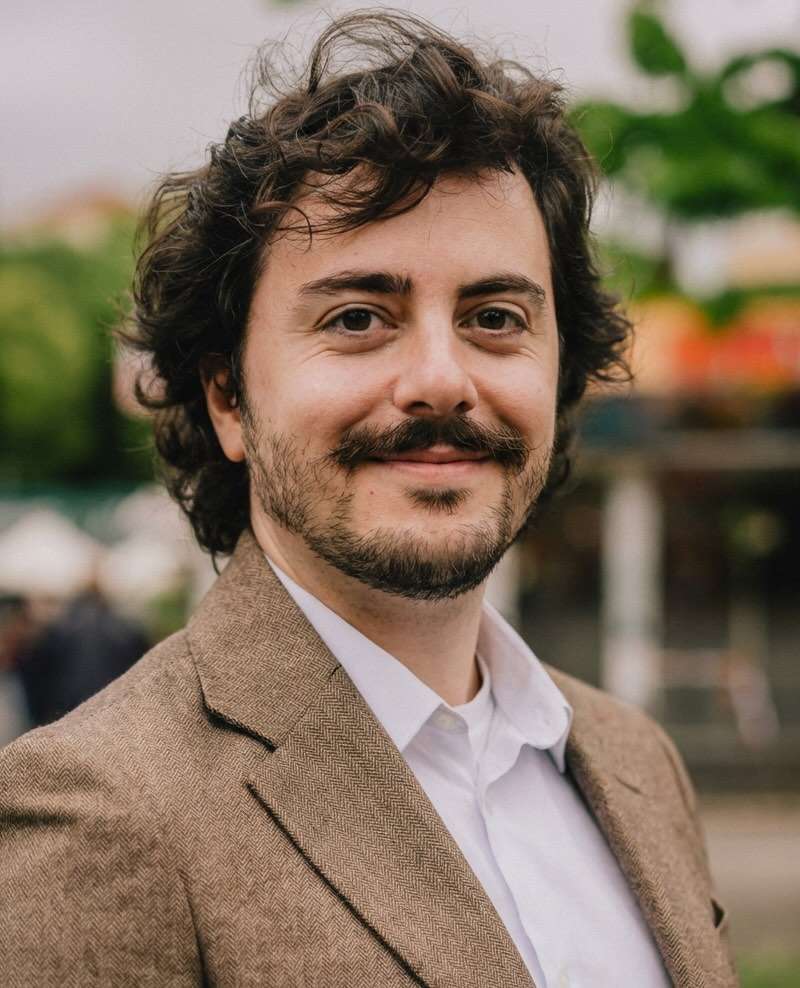

Giulio Pantano
This research explores how universities from different regions - in this study, Copenhagen and Rome - can learn from each other and effectively transfer successful entrepreneurial and innovation practices. Specifically, it examines how universities orchestrate their entrepreneurial activities, and which value co-creating practices can be replicated in different contexts.
Esben Rohan Christensen
This project investigates how we can develop quantum photonic technologies, such as quantum cryptography, sensing, and photonic computing, that are not only physically scalable but also ethically responsible. It combines ongoing theoretical work on strongly-interacting photonic architectures with ethical and historical research into how these technologies are developed and will be used in society.
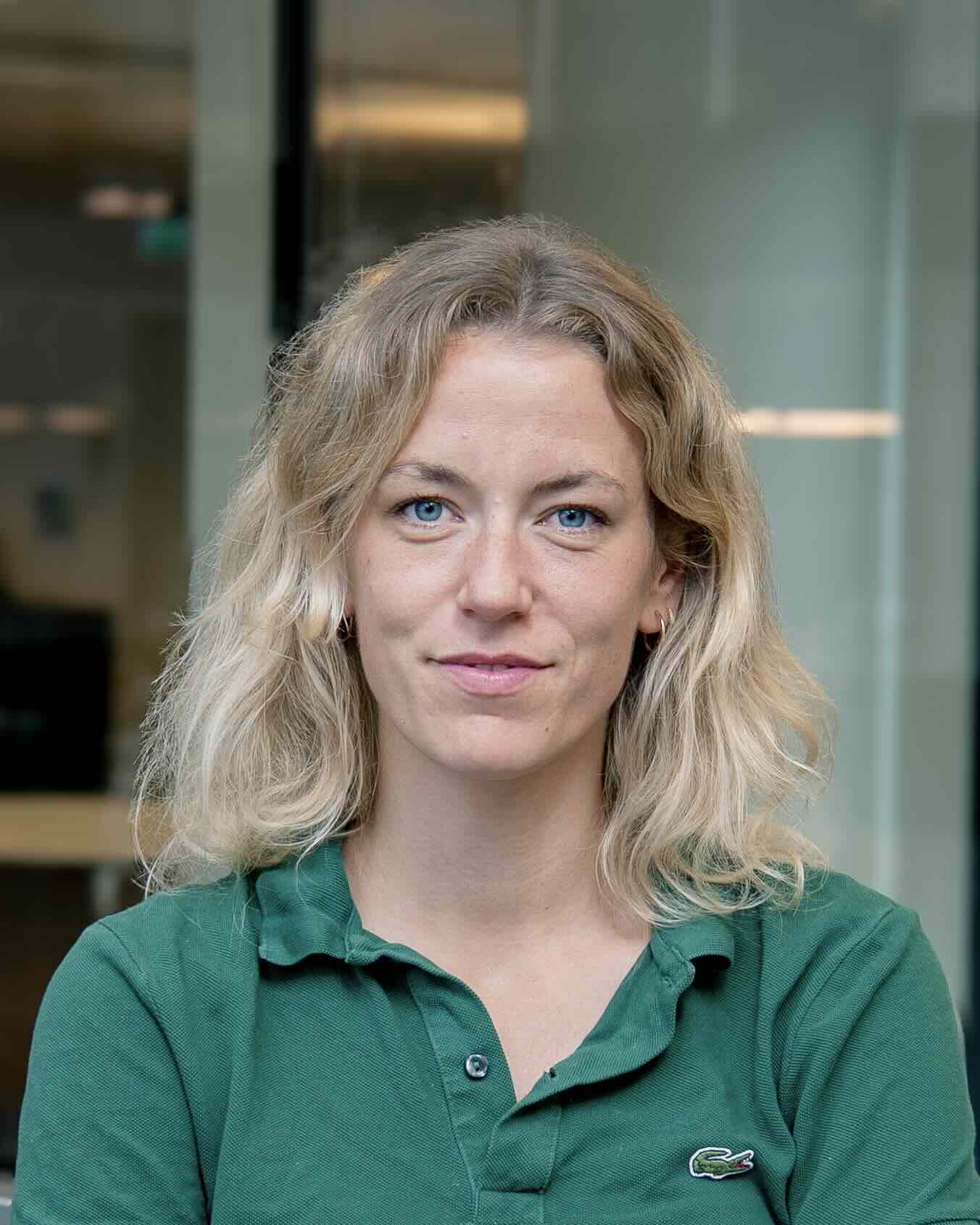
Alberte Bové Rud
The project investigates where power rests in democracy, focusing on the interplay between Italy's populist tendencies and its position amid technocratic structures of the EU. By identifying patterns and shifts in the relationship between populism and technocracy, the project provides a detailed analysis of how political narratives are constructed in opposition and dependence on each other.
Øvrige forskningsprojekter tilknyttet instituttet
Udgravninger i Francavilla Marittima (Timpone della Motta)
Januar 2017 – 2024
Gloria Paola Mittica, Jan Kindberg Jacobsen
Carlsbergfondet, Ny Carlsbergfondet, Aarhus Universitet, Københavns Universitet, Det Danske Institut i Rom.
Projektbeskrivelse
Since 2017 the Danish Academy in Rome has conducted archaeological excavations on and around the site of Timpone della Motta close to present day Francavilla Marittima, Calabria.
The excavations are carried out with permission from the Italian Ministry of Cultural Heritage and Activities (MiBAC) with the participation of Danish archaeology students from Aarhus University and the University of Copenhagen.
Three individual excavation projects are in progress, namely at the sanctuary on the summit of Timpone della Motta, at the southern base of the Timpone hill on the Aita and Rovitti areas, and in the Grotta del Caprio immediately west of Timpone della Motta.
Sanctuary excavations (excavation director: Gloria Paola Mittica)
In the sanctuary on Timpone della Motta, archaeological fieldwork is being carried out in the so-called MS3 area. Here, an extensive area at the entrance of the sanctuary is being investigated. The excavations have brought a limestone altar from the sixth century BC to light together with evidence for animal sacrifice and ritual dinning, areas for receiving pilgrims as well as an enclosure for sacrificing animals. In addition, a sacred road and an access ramp to the main square of the sanctuary have been excavated. Numerous deposits of votive gifts were likewise excavated, and they were found to contain pottery vessels, clay figures and many bronze, silver, ivory, and glass objects. The area which was probably dedicated to the goddess Artemis will be the object of further archaeological excavations in the coming years.
Excavation in the Aita and Rovitti areas (excavation directors: Jan Kindberg Jacobsen and Gloria Paola Mittica)
In the Rovitti area, the excavation of Iron Age house structures has been ongoing since 2009. The houses served as dwellings for a group of individuals operating one or more pottery workshops in the near vicinity. The excavations are producing direct evidence for pottery production in the form of misfired pottery, deformed clay vessels and instruments used in the production of pottery. The material evidence from the houses shows a cross-cultural combination of Greek pottery style and a traditional indigenous style of pottery. In the Aita area, a settlement area from the Iron Age is being excavated, revealing remains of huts and terrace structures. Likewise in the Aita area, a sixth-century BCE kerameikos area is under investigation. The excavation has so far brought a pottery kiln and extensive dumps of misfired pottery to light.
The Grotta del Caprio excavations (excavation directors: Jan Kindberg Jacobsen, Felice Larocca and Gloria Paola Mittica)
The excavation project is being conducted by the Danish Institute in Rome and the Centro Regionale di Speleologia “Enzo dei Medici”. The Grotta del Caprio-cave is located on the southern slope of Monte Sellaro immediately to the west of Timpone della Motta, and overlooks the Raganello river. The excavations have revealed three main phases of frequentation, which can be located in the prehistoric period, the Greek Archaic period and the medieval/post-medieval period respectively. The earliest remains are datable to the third millennium BCE, while the latest pertain to the beginning of the nineteenth century AD. A limited excavation conducted in the cave in 2009 revealed archaeological objects from the Archaic period which were similar to those found in the MS3 area in the sanctuary on Timpone della Motta. Among these were miniature votive vessels and Corinthian aryballoi (small oil containers). Encouraged by these finds, new excavations were initiated in 2019 in order to clarify whether a connection might be established between the sanctuary and the Grotta del Caprio as well as other caves to the west of Timpone della Motta.
Recent publications
Sanctuary on Timpone della Motta:
Mittica G. 2021, Creazioni artigianali di preziose fusaiole in ambito locale?, in A. Taliano Grasso (ed.), Traes. Studi e ricerche sulle antichità calabresi, (Rossano Calabro: Ferrari Editore), pp. 177-213.
Jacobsen J. K., Larocca F., Melander J., Mittica G. 2021, Seasonality of Timpone della Motta (northern Calabria) during the Iron Age and the Archaic period, in A. Lichtenberg and R. Raja (eds.), The seasonality of Archaeology. Studies in Classical Archaeology (SCA 4), (Turnout: Brepols), pp. 143-164.
Excavation in the Aita and Rovitti areas:
Mittica G. et al. 2021. Area Aita di Timpone della Motta tra l’età del Ferro e il periodo arcaico, in G. Mittica et al. (a cura di), Dal Pollino all’Orsomarso. Ricerche archeologiche fra Ionio e Tirreno. Analecta Romana Instituti Danici, Supplementum 56, (Roma: Edizioni Quasar), Vol. I, pp. 213-224, Vol. II, pp. 557-568
Grotta del Caprio:
Breglia, F and M. Veneziano 2021. Grotta del Caprio (Francavilla Marittima, CS) – Un contesto sotteraneo di età eneolitica alle pendici del Monte Sellaro, in G. Mittica, C. Colelli, A. Larocca, F. Larocca (eds.), Dal Pollino all’Orsomarso. Ricerche archeologiche fra Ionio e Tirreno. Analecta Romana Instituti Danici, supplementum LVI. (Roma: Edizioni Quasar), pp. 93-105.
Larocca, T. and G. Mittica. 2019. ‘Grotta del Caprio. Ricerche Speleo-archeologiche in una Cavita Naturale “Invisibile”’, in G. Mittica (ed.), Francavilla Marittima – Un patrimonio ricontestuallizzato (Vibo Valentia: Ad Hoc Edizioni), pp. 97–103.
Prismodtagere
Hendes Majestæt Dronning Margrethe II’s Romerske Pris
H.M. Dronning Margrethe II’s Romerske Pris blev indstiftet af Carlsbergfondet og uddeles hvert år til en forsker, der bidrager til at styrke forskning gennemført ved eller med tilknytning til Det Danske Institut i Rom. Prisen er siden 2015 blevet uddelt ved årsmødet på Det Danske Institut som finder sted i oktober.
| 2025 | Jesper Majbom, prof. ved Syddansk Universitet |
| 2024 | Jane Fejfer, lektor ved Saxo-instituttet på Københavns Universitet |
| 2023 | Patrick Kragelund, Emeritus, Danmarks Kunstbibliotek, Det danske Institut i Rom, Aarhus Universitet, professor 2, Universitetet i Bergen |
| 2022 | Erling Strudsholm, lektor ved Københavns Universitet |
| 2021 | Rubina Raja, prof., direktør for Center for Urban Network Evolutions på Aarhus Universitet |
| 2019 | Maria Fabricius Hansen, prof. ved Københavns Universitet |
| 2018 | Jan Kindberg Jacobsen, Ph.D. |
| 2017 | Christine Jeanneret, musikolog |
| 2016 | Lars Boje Mortensen, prof. ved Syddansk Universitet |
| 2015 | Lene Østermark-Johansen, Dr.Phil ved Københavns Universitet |
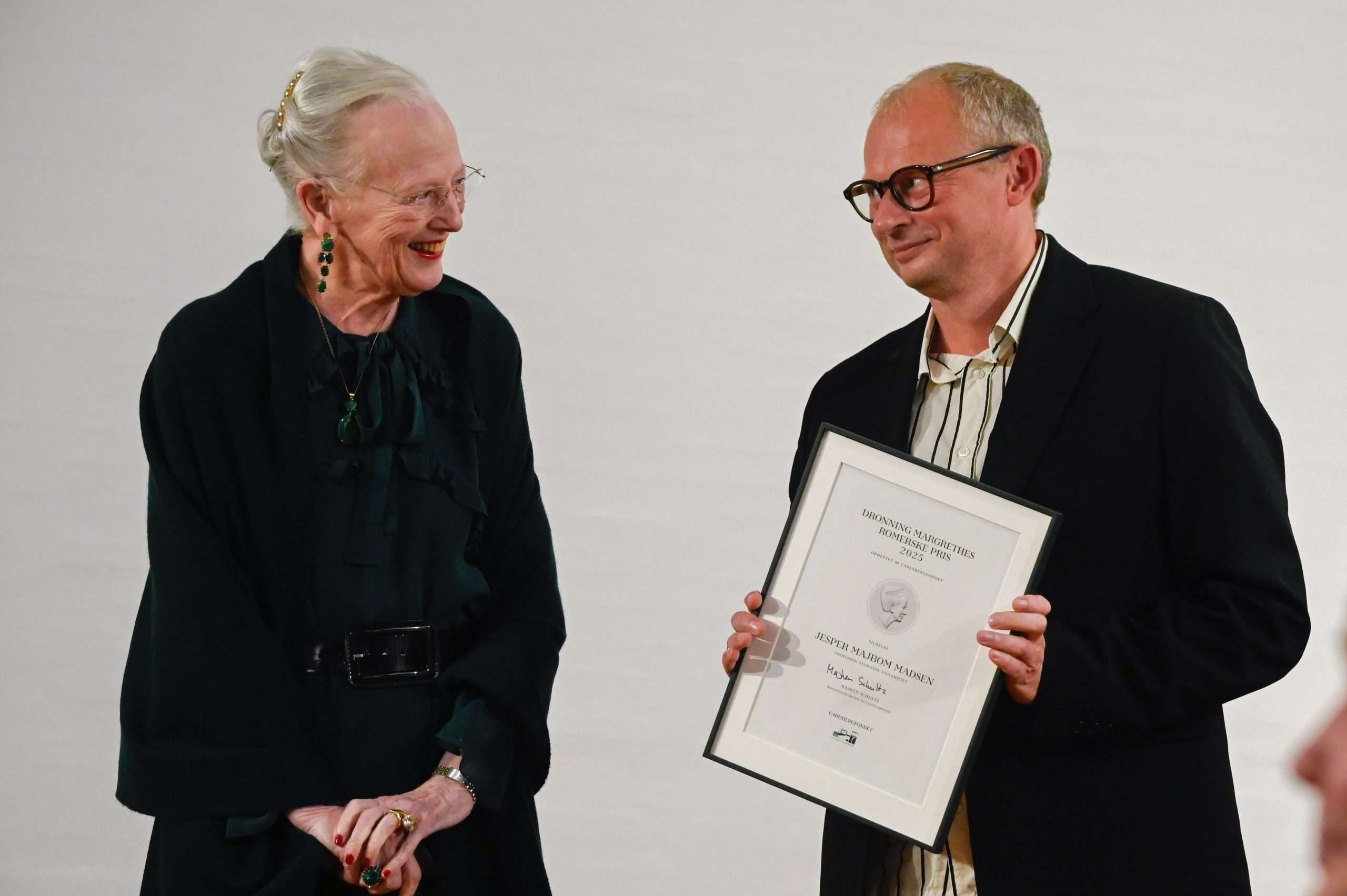
Hendes Majestæt Dronning Margrethe II overrækker sin Romerske Pris til Jesper Majbom Madsen i 2025.
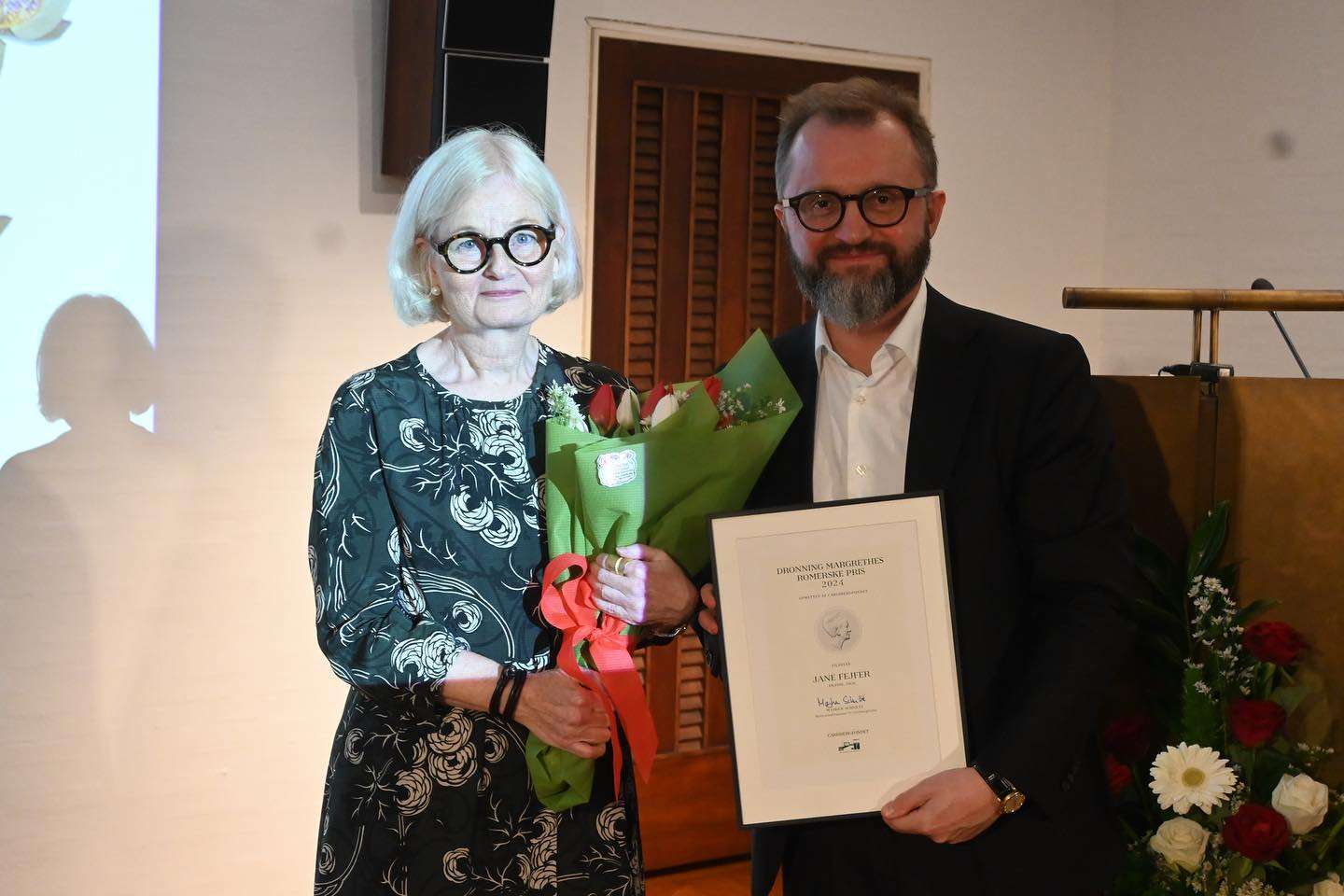
Carlsbergfondets direktør Lasse Horne Kjældgaard overrækker Hendes Majestæt Dronning Margrethe II's Romerske Pris til Jane Fejfer i 2024.
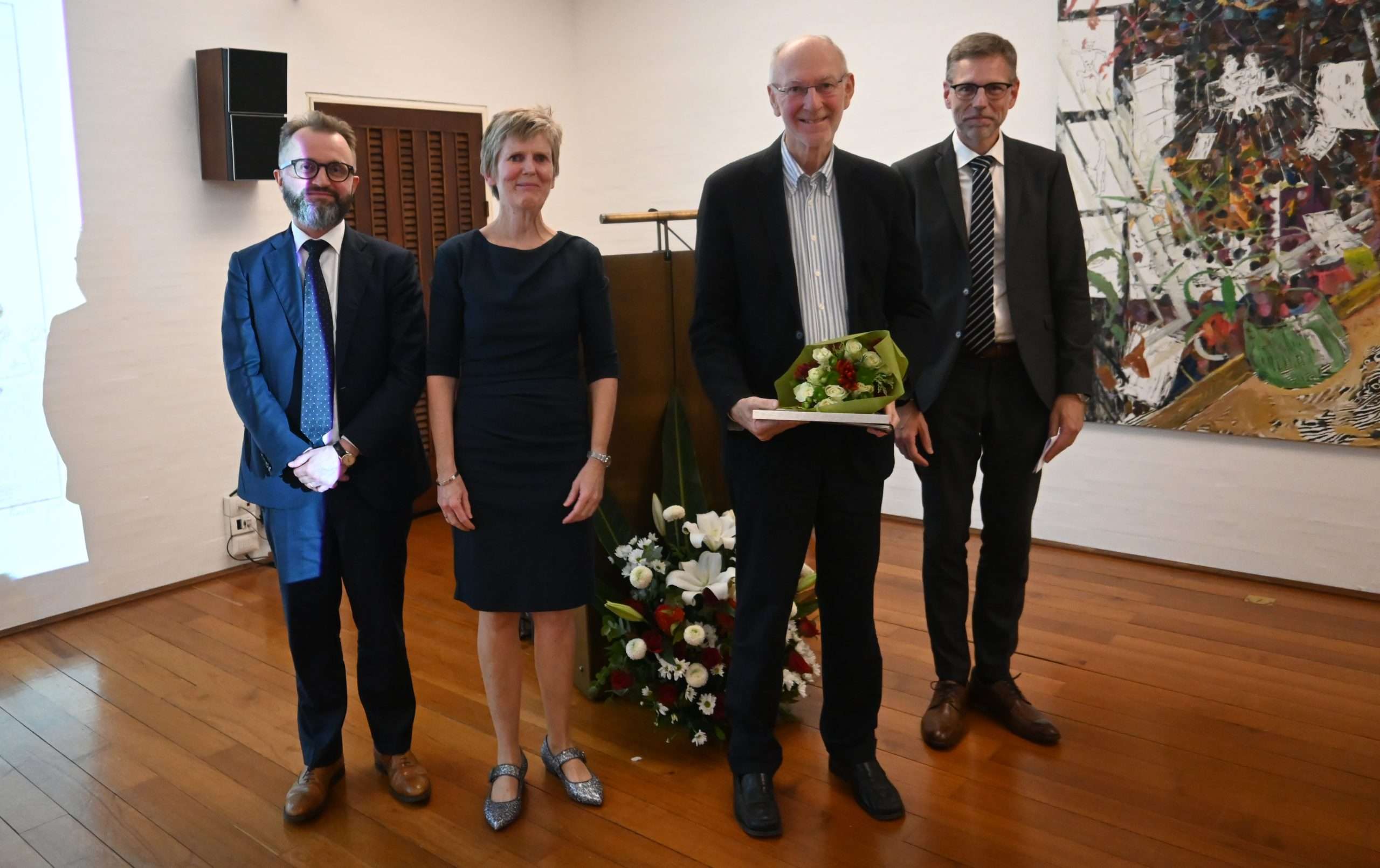
Carlsbergfondets direktør Lasse Horne Kjældgaard overrækker Hendes Majestæt Dronning Margrethe II’s Romerske Pris til Patrick Kragelund i 2023.
Hendes Kongelige Højhed Prinsesse Margrethes Legat til videnskabelige studier ved Det Danske Institut
Legatets formål er at sætte kvalificerede personer i stand til at gennemføre videnskabelige studier ved Det danske Institut i Rom inden for områderne: klassisk arkæologi, historie, klassiske og romanske sprog.
| 2025 | Elisabetta Barili, Postdoc. |
| 2024 | Alberte Bové, Ph.D.-studerende |
| 2023 | Therese Stougaard, Ph.D.-studerende |
| 2022 | Nikoline Sauer, Postdoc. |
| 2021 | |
| 2020 | Simon Cecchin Birk, Ph.D.-studerende |
| 2019 | |
| 2018 | |
| 2017 | |
| 2016 | Lærke Maria Andersen Funder, Ph.D. |
| 2015 | Trine Arlund Hass, Ph.D. |
| 2014 | |
| 2013 | |
| 2012 | |
| 2011 | |
| 2010 | L. K. Martinsen |
| 2009 | |
| 2008 | |
| 2007 | |
| 2006 | |
| 2005 | |
| 2004 | |
| 2003 | |
| 2002 | |
| 2001 | Anna Wegener, B.A. |
| 2000 | Morten Steen Hansen, Ph.D.-studerende |
| 1999 | Grith Thagaard Madsen, Stud. mag. |
| 1998 | Bjarne Tersbøl, Stud. mag. |
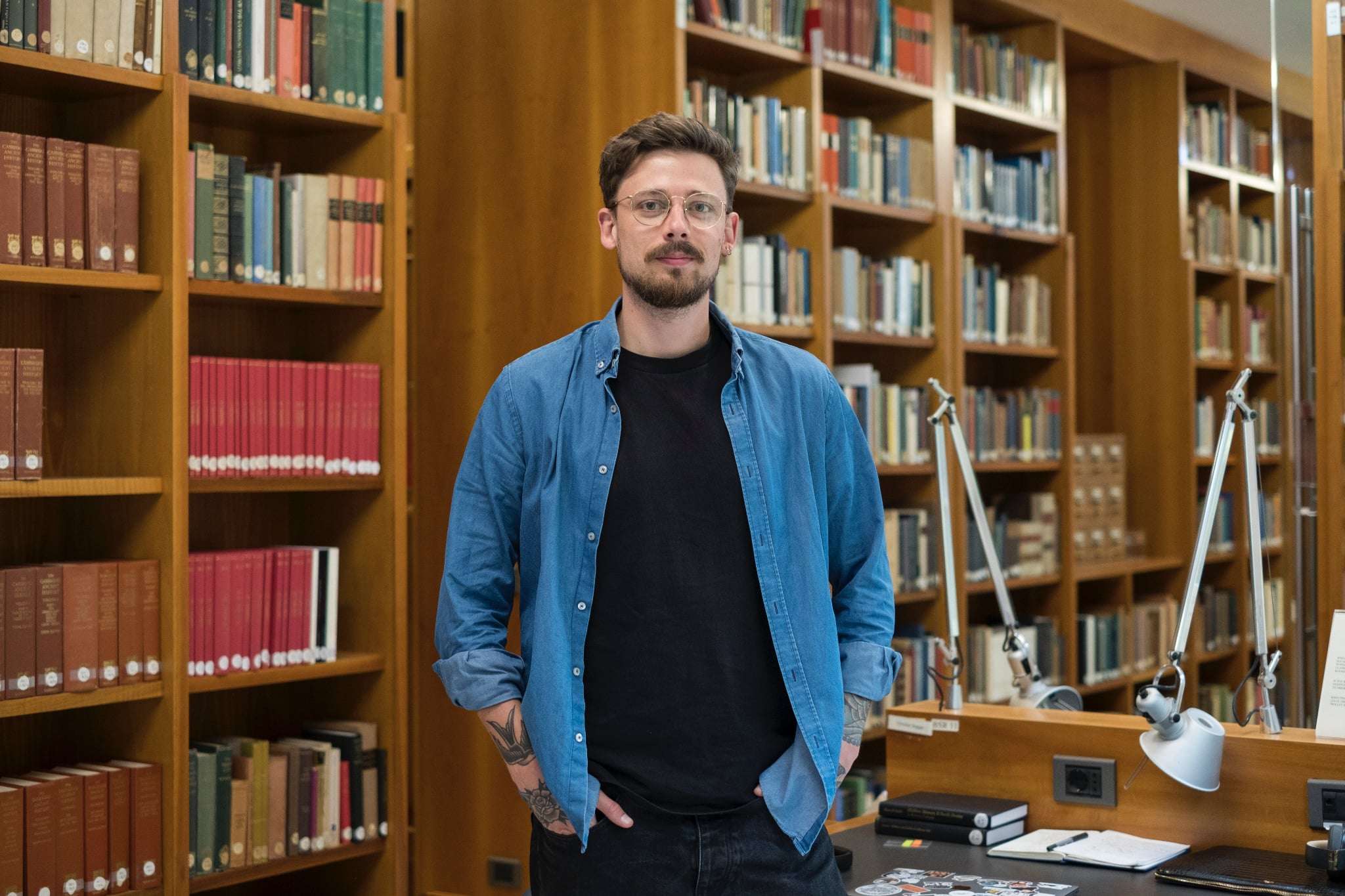
Christian Hjort Bagger modtog ”Hendes Kongelige Højhed Prinsesse Margrethes Legat til videnskabelige studier ved Det Danske Institut i Rom” i 2026.
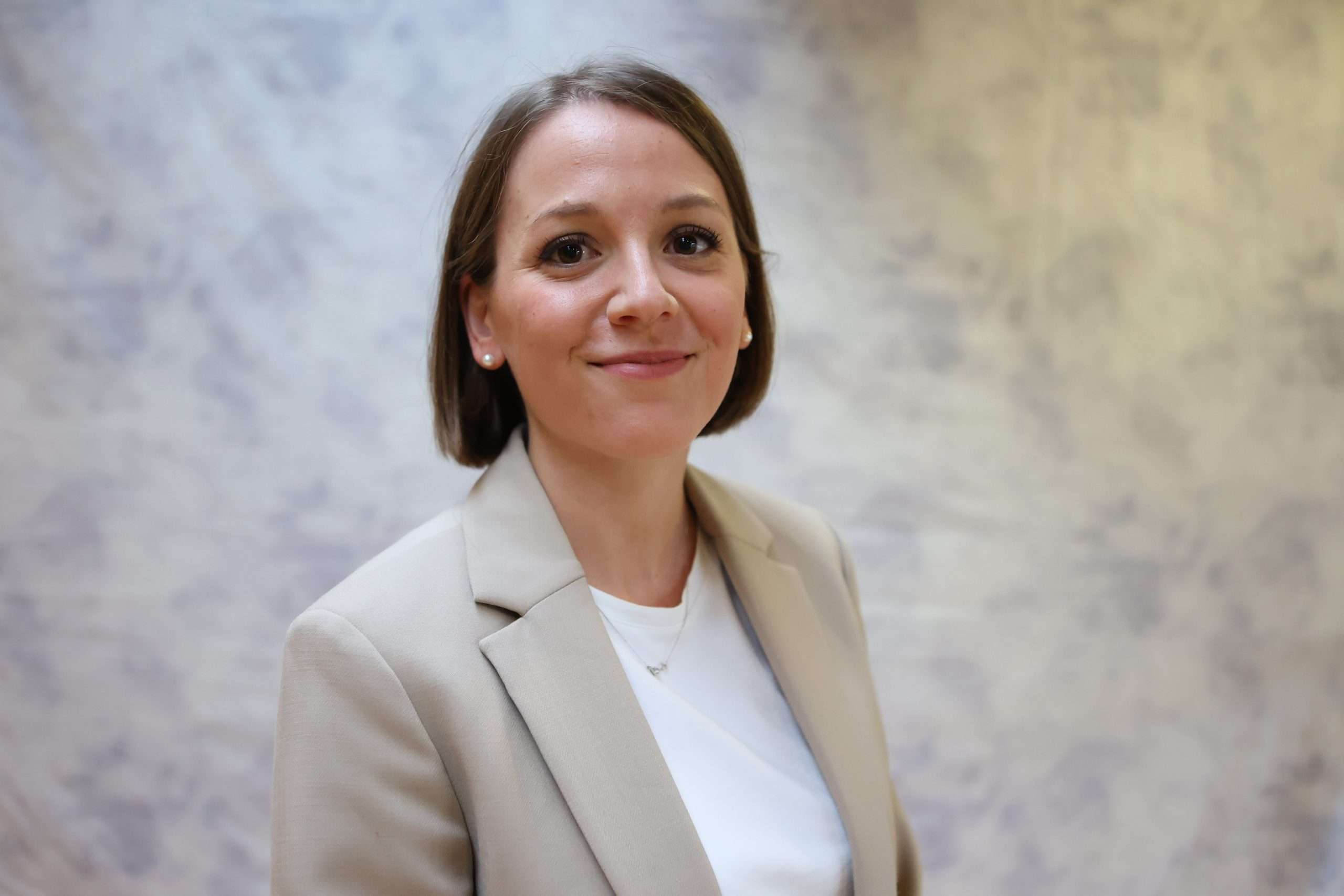
Elisabetta Barili modtog ”Hendes Kongelige Højhed Prinsesse Margrethes Legat til videnskabelige studier ved Det Danske Institut i Rom” i 2025.